

A rice cracker from northern Thai tables
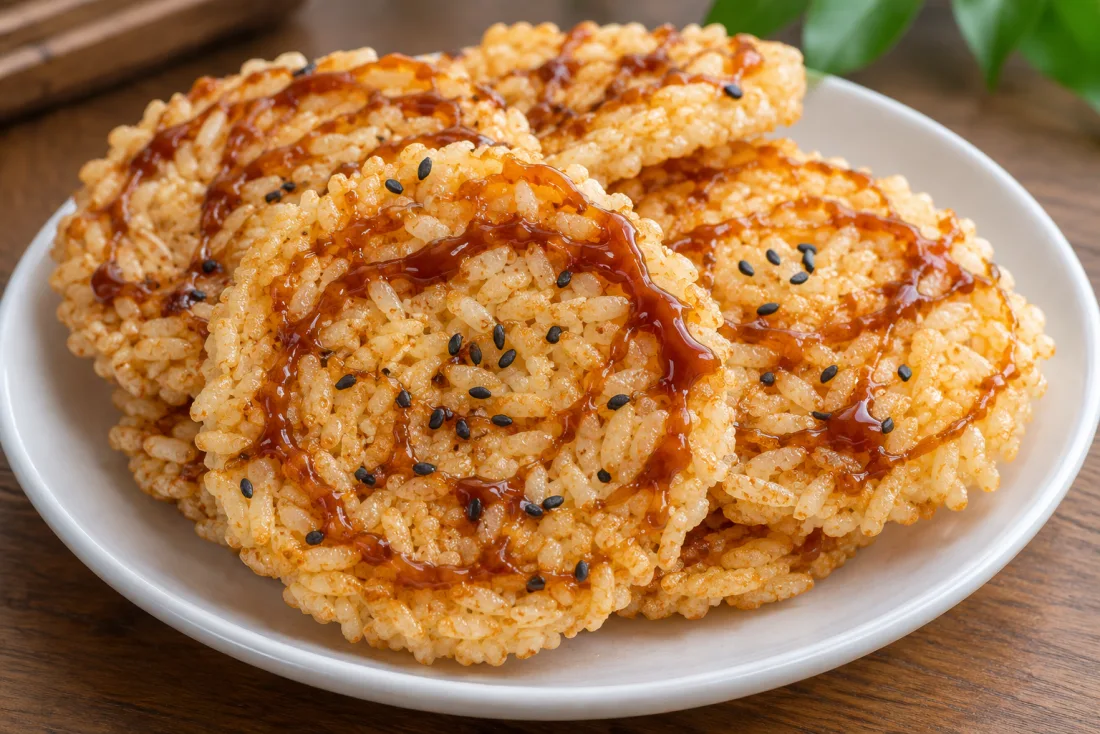
Khao taen is a thin disc with visible puffed rice grains and sometimes dark syrup lines. Chiang Mai University documents it in Lanna cooking, and a watermelon version is a souvenir from Lampang.
Glutinous rice and syrup
Warm steamed glutinous rice sticks together in a shallow mould. Lampang preparations can season the rice with strained watermelon juice. Cane syrup gives sweetness and can be drizzled after frying, with sesame an option in some versions.
Shaping, drying and frying
Shape the warm rice into discs and dry them. The grains puff when fried, yielding a crisp texture. Drain and cool before adding syrup or packing. Thin pieces break more easily and thicker pieces have a more pronounced grain texture.
Crisp rice, caramel and faint fruit
The puffed grains taste toasted and the syrup brings a concentrated sweet note. After drying and frying, watermelon can leave a light fruit fragrance. Sesame adds its own roasted flavour. Moisture can soften an opened package over time.
Watermelon, plain crackers and other rice snacks
Watermelon khao taen is one regional choice, alongside plain or more heavily drizzled crackers. Thai rice crisps served with savoury dip and soft young rice with grated coconut offer different textures. Pick a size and sweetness that suit the occasion.
Allergens in toppings and shared oil
Check for sesame, peanuts or other toppings and for dairy or soy in flavoured glazes. Check packaged ingredient lists and ask about shared oil and equipment if avoiding wheat, fish, crustaceans or nuts. Brushing seeds off cannot remove cross-contact.
If you have a food allergy, tell the restaurant before ordering and ask about ingredients, sauces and shared cooking equipment.