

Who made it
Both breweries document the collaboration. Samata is based in Bangkok and Bad Seed is Danish. The documented batch is a Thai-inspired beer brewed in Denmark. The name alone does not establish a historic Thai recipe or the place of production.
Barley, rice flakes and aromatics
The label lists water, barley, rice, lemongrass, makrut lime leaves, hops and yeast. The brewer specifies flaked rice and Hallertau Mittelfrüh hops. Lemongrass brings citrus-like stem aroma and makrut leaves bring green citrus fragrance. The beer does not have to contain visible rice or lime juice.
Colour and palate
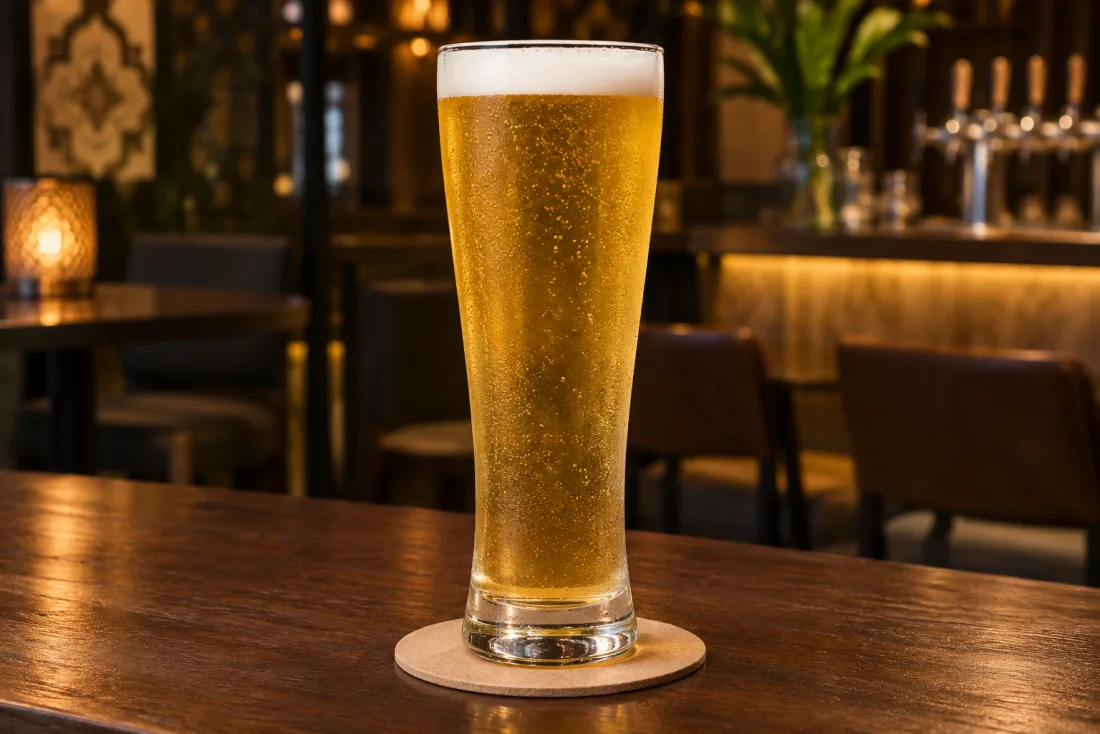
The brewer attributes a paler colour and crisper body to the rice addition. The finished beer can be pale straw with a white head and small bubbles. Mild hop aromas can meet citrus-like herbs. This is a lager rather than sour beer. Bubbles, glass and temperature can change how it smells.
A documented Danish format
The Danish retail listing describes a 440 millilitre can and 5% ABV. The brewery release also lists 5% ABV. This does not establish universal availability or a serving size in Thailand. Clear glasses can show the beer’s appearance in different settings. The release illustrates an international brewery collaboration.
Which SIAM the menu means
Cheers Siam Weizen is a distinct Thai wheat beer. Samata also produces fruited sour beer. The producers’ names and Rice Lager descriptor identify this beer. A lager made with barley and rice is a different category from Thai glutinous rice sato.
Allergens and label
The listed barley is a gluten source. Rice does not make the beer gluten-free. Ask about lemongrass and makrut if needed. Dairy, nuts and wheat are not listed on the reviewed label, and cross-contact information should come from the supplier. Check any additions in prepared drinks. This beer contains alcohol.
If you have a food allergy, tell the restaurant before ordering and ask about ingredients, sauces and shared cooking equipment.