

 fish sauce
What Thai crab fried rice is and where to find it
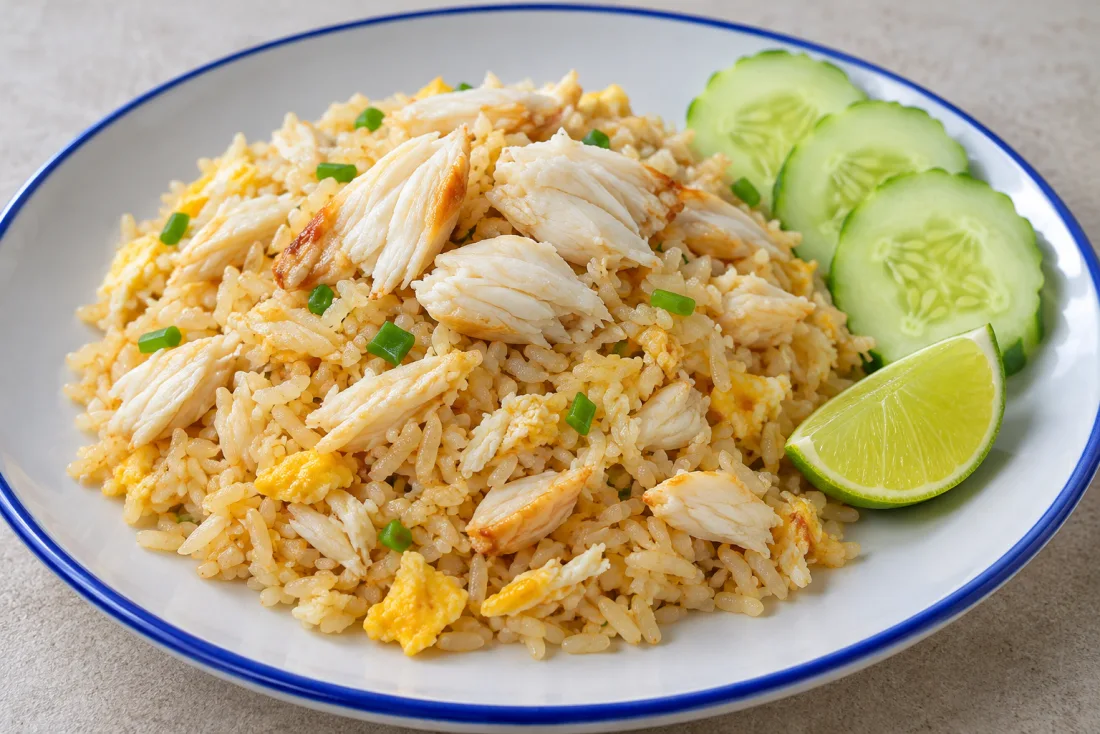
Khao pad means fried rice and pu means crab. English menus also use Khao Pad Poo. Expect pale rice with small pieces of egg, scallion and crab. Crab can be folded through the rice or displayed in larger pieces.
Menus in Bangkok’s Thonglor district and Phuket document it in different settings. Thai cook Pailin Chongchitnant includes it among the familiar Thai styles of fried rice. The examples tell us where it is served and leave the original province open.
What crab, jasmine rice and egg each contribute
Chef Nan steams blue swimming crab and separates the meat and claws. His rice uses chilled cooked jasmine rice, egg, oil, garlic, salt, fish sauce, black pepper and scallion. Chilled grains are easier to break up. Egg adds a softer bite, while the crab’s sweetness stays clear.
Another KRUA recipe uses oyster sauce, salt, sugar and pepper. Fish sauce, soy sauce and oyster sauce season the rice differently. In a light seasoning the flavour of crab still comes through.
How to keep the rice separate and the crab in pieces
The cook starts with garlic and egg, then adds the rice while the egg is still setting. Turning the rice and breaking up clumps lets the grains heat evenly. A little sauce spreads rapidly through the hot rice.
The crab is already cooked and goes in late. Gentle tossing helps keep flakes and lumps intact. Brief contact with the hot wok can bring a toasted aroma. Scallion and larger claw pieces can go on at the end.
Crab sweetness with lime, cucumber and chilli fish sauce
The crab is lightly sweet. Rice and egg follow, and pepper leaves a little warmth. A hot wok can bring a toasted grain aroma. Cucumber is cool and crisp. A squeeze of lime brightens the crab and balances the salty seasoning.
Try a plain bite, then a few drops of chilli fish sauce if you like. Pepper gives gentle warmth. Stronger heat depends on added chillies in the rice or sauce, which the restaurant can explain.
Crab pieces, sourcing and seasoning vary by restaurant
A cook can pick steamed crab to order or work with picked crab prepared in advance. Smaller flakes spread the sweetness through the rice. Large pieces are easy to taste separately. Ask about the cut if it matters to you.
It can be a one-plate meal with cucumber and lime or a rice dish in a shared seafood meal. Published versions use different savoury seasonings. The loose grains and sweet crab are the most familiar features.
Allergens to ask about: crab, egg, fish, soy and wheat
Crab is a crustacean, and egg often goes directly into the rice. Fish sauce contains fish. Oyster sauce can contain a mollusc, depending on the product. Soy sauce can contain soy and wheat. Ask which seasoning is already in the rice even when chilli fish sauce comes separately.
If you have an allergy, ask about crab, egg, wok seasonings, table sauces and shared cookware. Large pieces of crab may also have an occasional fragment of shell, which is a separate issue from allergens.
If you have a food allergy, tell the restaurant before ordering and ask about ingredients, sauces and shared cooking equipment.